La Crosse County’s Family & Children’s Section supports families in difficult situations and works to keep children safe while helping families stay together whenever possible.
The section, managed by Tracy Puent, oversees Child Protective Services (CPS) and the Western Regional Adolescent Services Unit. CPS is organized into units that respond to child safety concerns from the first call to case closure.
How it works:
Access Unit: The community’s gateway to CPS. Mandated reporters, parents, or community members call with safety concerns. Staff gather information about risks and strengths before deciding whether a case should move forward.
Initial Assessment: If screened in, social workers have up to 60 days to assess safety and work with families. “Our first goal is always to keep kids safe in their home whenever that’s possible,” Puent said.
Ongoing Services: For families needing longer support, staff from Ongoing Services (pictured) work with them until cases are closed. When reunification isn't possible, staff assist in securing permanency with relatives, like-kin, or foster caregivers.
Permanency Resources: This team licenses foster homes, supports kinship care, and helps locate relatives and trusted adults. “Kids do better with people they know,” Puent said. “That sense of belonging matters.”
Family Interaction Services: Staff supervise family visits, transport children, and help with parenting skills.
The field has shifted toward family preservation over the past few decades. Research and federal policy now emphasizes keeping children connected to family when safe to do so. “What we’ve learned is that kids have better long‑term outcomes when they stay with family or people they know,” Puent said.
By the numbers:
--About 42 staff work in CPS, which is part of La Crosse County Human Services. 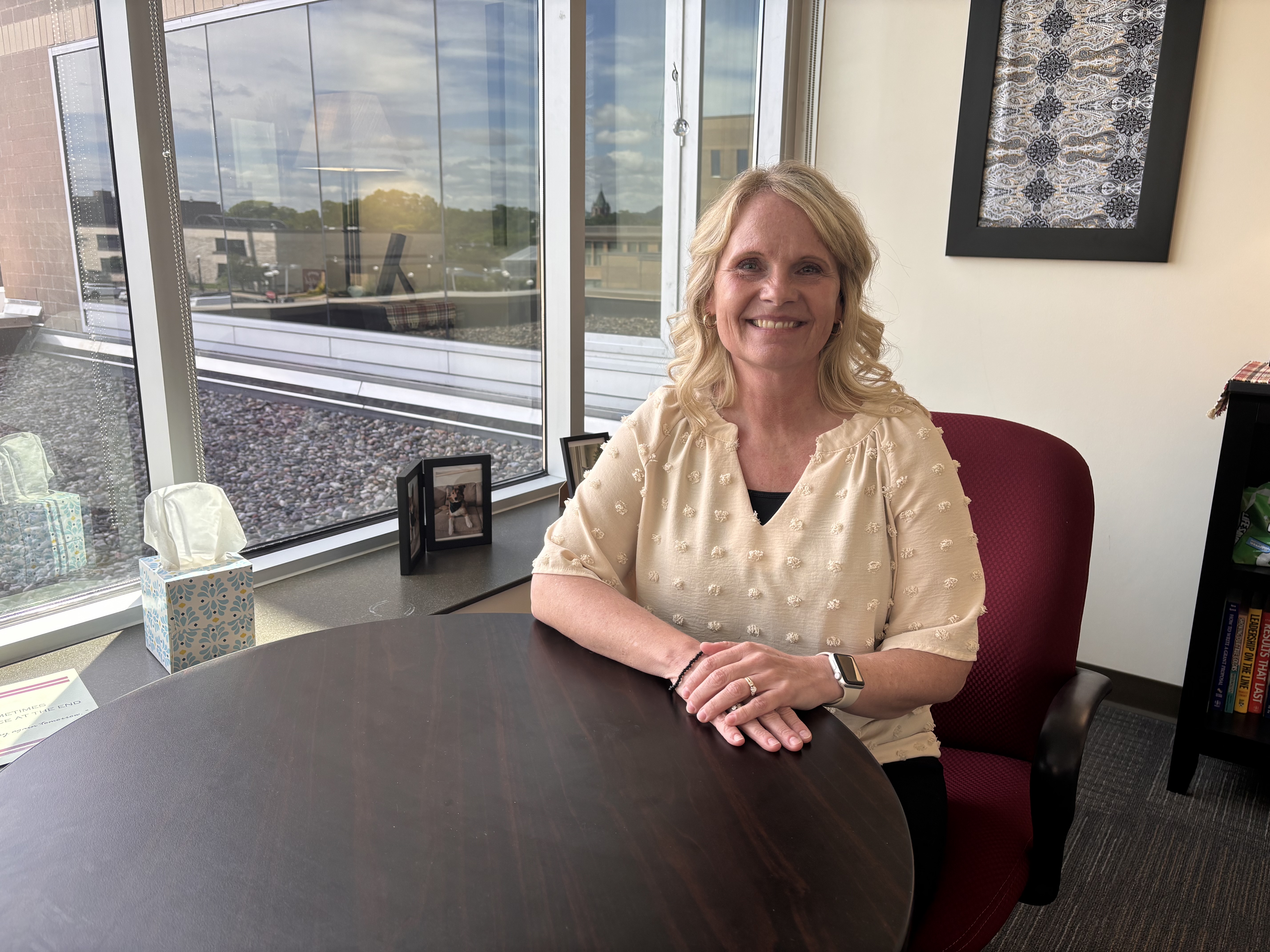
--Ongoing workers carry approximately 10–12 cases each.
--Initial assessment workers are typically assigned 6–8 new assessments per month.
--Five youth are currently in group homes or residential care, which are the most restrictive and expensive options.
Puent (pictured) said one of the biggest myths is that CPS is “out to take kids.” “That’s the exact opposite of what we want,” she said. “Removal is never our first step. We’re here to help families in crisis, not break them apart.”
Staff regularly work in high‑stress situations and aren’t always welcomed. “People often don’t want us there, and that’s hard because we want to help” Puent said. The department supports workers through supervision, debriefing, and strong team relationships.
But there are powerful moments too. “The relationships keep you going,” she said. “To see a family reunify or have someone you worked with years ago reach back out — that’s incredibly meaningful.”